
Grief & Emotional Healing — Navigating Loss, Bereavement, and Meaning-Making
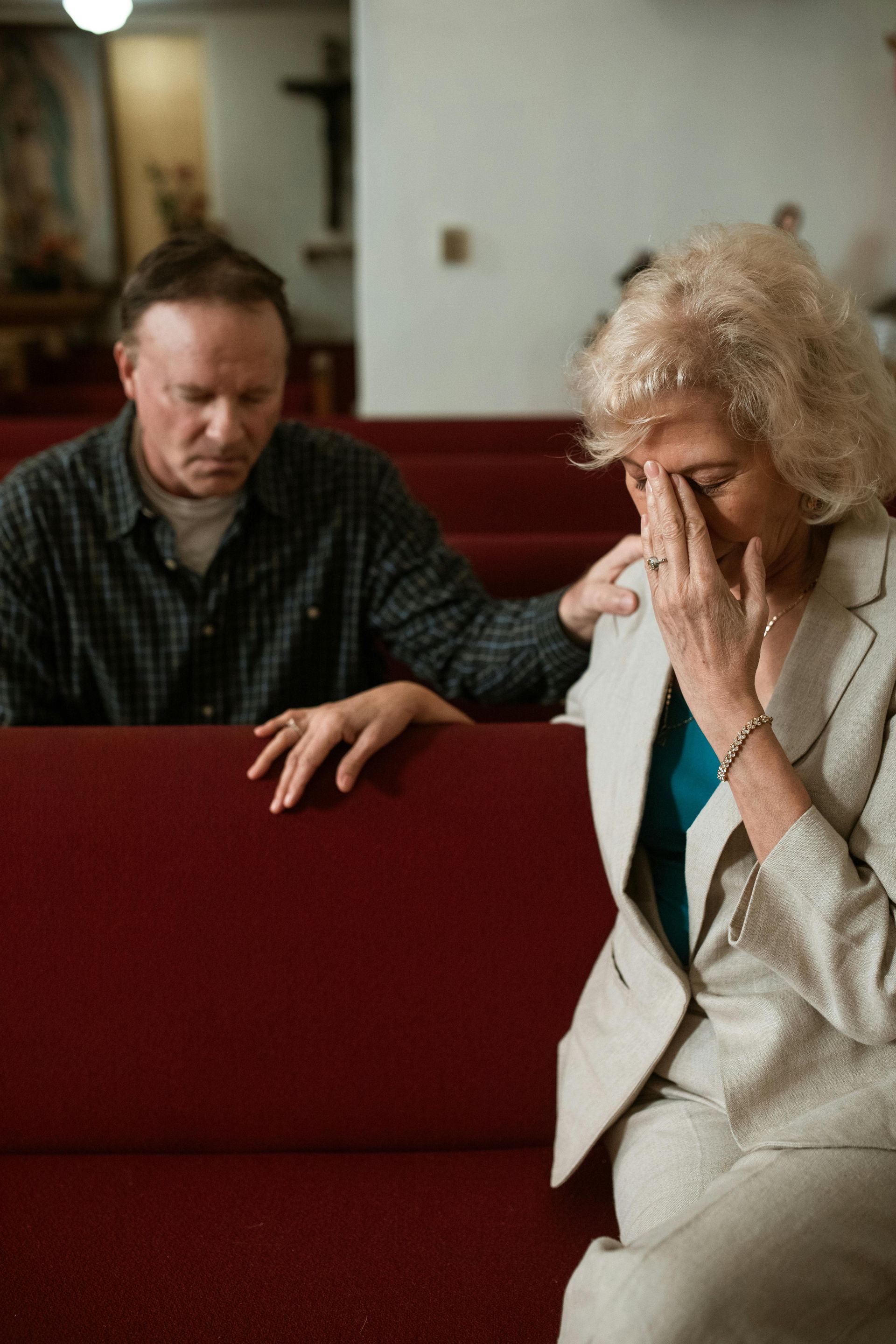
Introduction to Grief & Emotional Healing
Grief counseling at Pastoral Counseling Service, LLC supports individuals and families navigating the loss of a loved one, as well as other significant losses—relationship endings, loss of career, health declines, or spiritual crises. Our grief work is designed to help clients process painful emotions, honor memories, and rebuild meaning in life while providing pastoral sensitivity for faith-related questions or rituals.
Why grief counseling matters
Grief is a normal response to loss, but unprocessed grief can become complicated, impairing daily functioning and relationships. Professional grief counseling helps people understand normal grief trajectories, process intense emotions safely, and develop coping strategies for anniversaries and triggers. When spiritual beliefs are involved, integrating pastoral support can provide comfort, ritual, and theological frameworks that help survivors find meaning.
Complex and complicated grief
Some grief involves prolonged, intense symptoms that interfere with functioning—this may be complicated grief or prolonged grief disorder. We use evidence-based approaches (e.g., complicated grief therapy) to target severe symptoms and coordinate referrals for medication evaluation if clinically indicated.
Key benefits of grief counseling
Safe space to process emotions like sadness, anger, guilt, and confusion
Structured strategies to manage grief triggers and anniversaries
Support to navigate practical changes (estate, family roles, routines)
Rituals and memory work to honor the deceased and maintain a healthy bond
Integration of spiritual resources for clients who want faith-based support
Our grief counseling approach

Assessment and normalization
We begin by assessing symptoms, coping resources, and the nature of the loss. Education about grief—its stages, variability, and common reactions—helps reduce self-blame and confusion.

Meaning-making and narrative work
Many clients benefit from narrative interventions that help reframe stories of loss and identify enduring bonds with the deceased. We work to preserve memory while encouraging adaptive adjustment.

Rituals and remembrance
Rituals—personal or faith-based—support the grieving process and can be tailored to the client’s belief system. Rituals can include memorial practices, letter writing, or symbolic acts that honor the relationship.

Behavioral strategies for coping
Practical strategies include developing routines, social supports, sleep hygiene, activity scheduling, and relapse prevention planning for high-risk times like anniversaries.

Spiritual integration
For faith-oriented clients, we incorporate pastoral tools—scripture, prayer, faith narratives, and community rituals—if desired. We support honest theological questioning and facilitate reconciliation between grief and faith when struggles arise.
Who seeks grief counseling
Individuals who have lost a spouse, parent, child, or close friend
Families navigating collective grief or complicated bereavement
People experiencing ambiguous losses (e.g., dementia, estrangement)
Those facing identity loss due to career change, retirement, or chronic illness
Individuals who want pastoral support to integrate theology and mourning
Practical planning and support
Grief often leads to practical life changes—financial, household, or parenting responsibilities. Counseling integrates problem-solving support to manage these tasks and identify community or legal resources when needed.
Group and community resources
While individual grief counseling is central, group support can provide connection and normalization. We can help identify local bereavement groups, faith community supports, and online resources that complement individual therapy.
Expected outcomes
Greater emotional regulation and reduced intensity of distress over time
Improved daily functioning and ability to engage in meaningful activities
Healthier, adaptive rituals and memory practices to preserve bonds without stagnation
Increased social support and connection to community resources
Integration of spiritual meaning and sustained hope where appropriate
Frequently Asked Questions (FAQs)
Q: How long does grief counseling last?
A: Duration depends on the nature of the loss and the client’s needs. Many people benefit from several months of weekly sessions followed by periodic check-ins. Complicated grief may require longer-term, specialized work.
Q: Will I forget my loved one if I move forward?
A: No. Healing involves integrating memories into your life in a way that allows sustainable engagement with living. Memory and love often persist in healthy ways even as pain diminishes.
Q: Can grief counseling include family members?
A: Yes. Family sessions can help coordinate shared remembrance, address differences in grieving styles, and support collective decision-making in times of loss.
Contact and next steps
If you or a loved one need support with grief, call (262) 821-7277 to schedule an intake. We will assess your needs and recommend an appropriate plan. You may also request an appointment at https://pastoralcounselingservice.org/.